 ADHD OS
Feeding Your Brain: Using Sensory Seeking to Lock in ADHD Focus
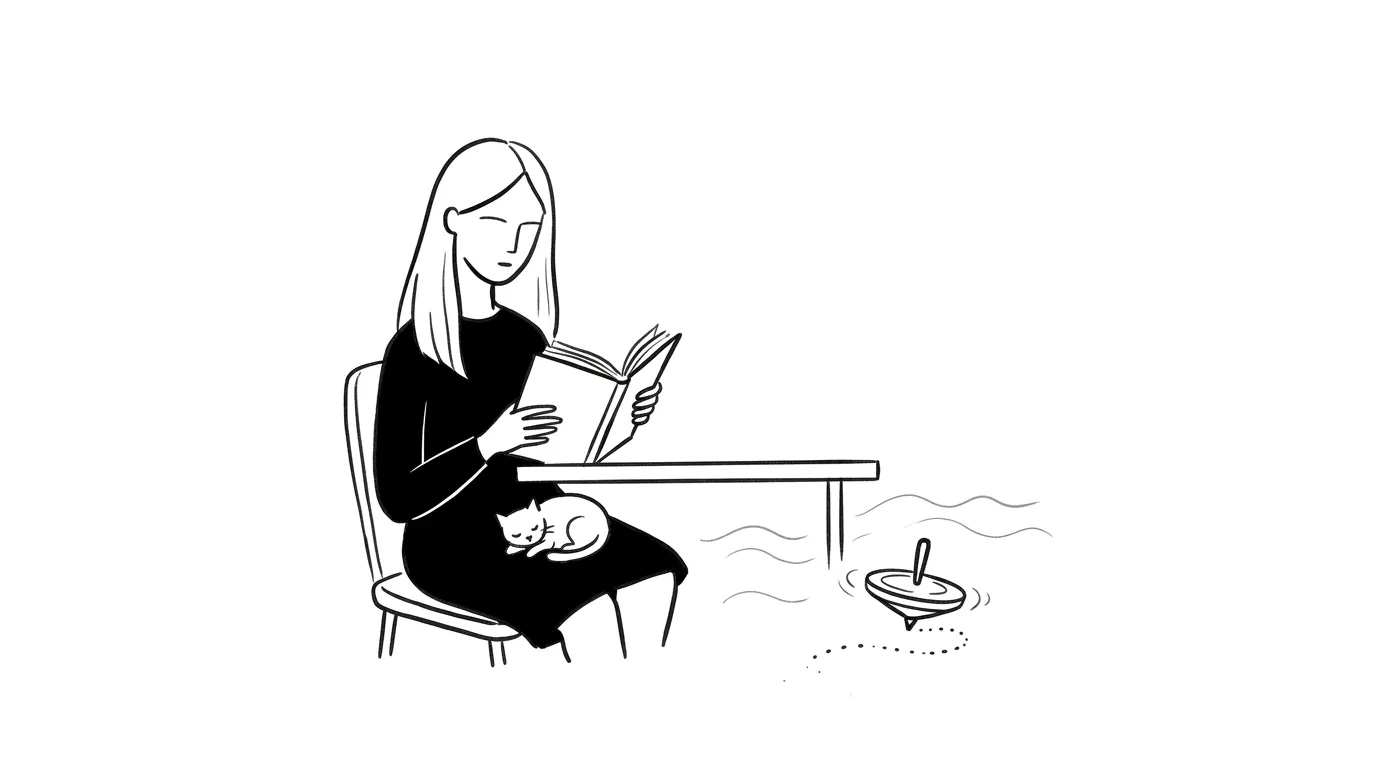
Traditional focus advice demands removing all external stimuli, but this can paralyze a dopamine-starved ADHD brain. Our nervous system requires a baseline level of sensory input to stay awake. By feeding your body harmless “background cues” (like specific noises, fidgets, or micro-movements), you soothe excess nervous energy and anchor your focus.
You sit at your desk, surrounded by dead silence.
You tell yourself: “It is perfectly quiet. I should be able to write this report now.” But within three minutes, your legs start shaking, your hand reaches for your phone, or you start picking at your nails. You feel deeply frustrated by your distraction.
For ADHDers, we know that “struggling to focus in complete silence” is a common loop. The truth is: For an ADHD brain, dead silence is not a trigger for focus, but rather the catalyst for internal noise and restlessness.
The Biology: A Hungry Nervous System
A neurotypical brain filters out background noise effortlessly and stays awake in quiet rooms. But an ADHD brain regulates sensory inputs differently:
- Under-Arousal: In quiet, monotonous settings, the basal ganglia beneath our prefrontal cortex enter a “sleep state.” To keep itself awake, the brain frantically searches for stimulation (dopamine).
- Sensory Avoiding vs. Sensory Seeking: While we easily experience sensory overload from office chatter (needing sensory avoiding), our brains simultaneously enter a “sensory seeking” state when doing dry tasks. If you do not feed it, it will create its own stimulation through scrolling, daydreaming, or fidgeting.
We must actively feed our brains low-energy, harmless background cues. These act as attention snacks to burn off restless energy, freeing the main attention stream to focus on work.
A Menu of Sensory Snacks
We can build a friction-free sensory feedback system across auditory, tactile, and proprioceptive paths:
Step 1: Auditory Feeding — The Sound Sanctuary
Avoid pop songs with lyrics, as they directly compete with your verbal thinking centers.
- Brown and Pink Noise: Unlike high-pitched white noise, brown noise (deep ocean or wind sounds) and pink noise (even rain) have richer low-frequency energy. They act as a soft acoustic shell, masking distracting office sounds while grounding your nervous system.
- Video Game Soundtracks (VGM):Game music (like Minecraft or Sky: Children of the Light) is designed to keep players engaged and alert for hours without stealing focus. They are steady, wordless, and perfect for working.
Step 2: Tactile Micro-Actions — The Fingertip Valve
Provide your hands with brainless physical activities to prevent them from grabbing your phone.
- Silent Fidgets: Keep a silent metal spinner, a piece of therapy putty, or smooth wooden worry beads on your desk. Fidget with them absentmindedly when reading or brainstorming to release bodily tension.
- Deep Pressure Feedback: Place a weighted lap pad or a heavy pillow on your lap. Deep pressure therapy lowers sympathetic nervous arousal and calms mental restlessness.
Step 3: Proprioceptive Feedback — Allow Micro-Movements
ADHDers struggle to sit completely still. Forcing rigid posture drains our limited executive function.
- Under-Desk Bands or Balance Boards: Tie a thick elastic band around your desk legs to kick and stretch silently; or use a rocking footrest to keep your lower legs moving.
- Active Seating: Use a wobble cushion, an exercise ball chair, or a flexible office chair. These tiny shifts in balance (vestibular input) satisfy the brain’s need for motion feedback, keeping your upper body anchored to your work.
Quick Q&A
How does this differ from multitasking? Won't it distract me?
They are fundamentally different. Multitasking splits your executive bandwidth between two cognitively demanding tasks (like writing a document while watching a show with dialogue). Sensory seeking dedicates 90% of your brainpower to the main task, while filling the remaining 10% of "background energy" with low-cost, brainless physical feedback (touching worry beads, hearing rain, rocking your feet). This protects your main focus from wandering toward incoming distractions.
How do I know if I need "Sensory Avoiding" or "Sensory Seeking"?
Listen to your body's feedback: if you feel anxious, irritated, overwhelmed, or heavy-headed, you are in Sensory Overload. You need sensory avoiding (noise-canceling headphones, dimming lights, closing your eyes); if you feel sleepy, fogged out, restless, or bored, you are experiencing Stimulation Hunger. You need sensory seeking (turning on a warm desk lamp, playing brown noise, squeezing putty, or standing up to stretch).
Won't using these tools make me look unprofessional or lazy at work?
Choose low-profile, silent, and minimal tools. Use silent elastic bands under the desk, or opt for sleek metal fidget sliders that fit in your palm. A weighted blanket can look like a cozy lap shawl. Remember, keeping your brain alert and outputting high-quality work is the definition of professional.
Recommended Reading
Why Traditional Habits Fail ADHD: Building a Low-Friction, Dopamine-Driven Routine
Traditional habit systems focus on consecutive streaks and daily repetition, which drains ADHD willpower. Discover why these systems fail a dopamine-deficient brain and how to build a flexible "Dopamine Menu" for your routine.
Owning the Night: Understanding ADHD Delayed Sleep Phase and a Low-Friction Night Routine
Struggling to sleep at night and drag yourself up in the morning? It might not be screen addiction, but rather ADHD Delayed Sleep Phase Syndrome. Learn the neurobiology of night owls and a gentle, low-willpower wind-down routine.
The Kitchen is an Executive Function Test: A Zero-Brainpower Guide to Meal Prep
Shopping, washing, chopping, multitasking, and washing dishes... cooking is a brutal test of executive function. Learn how to drop traditional cooking rules and feed yourself with a low-friction, zero-brainpower prep system.