 ADHD OS
Social Battery Dead in 30 Minutes? The Gentle Art of Setting Boundaries for ASD Adults
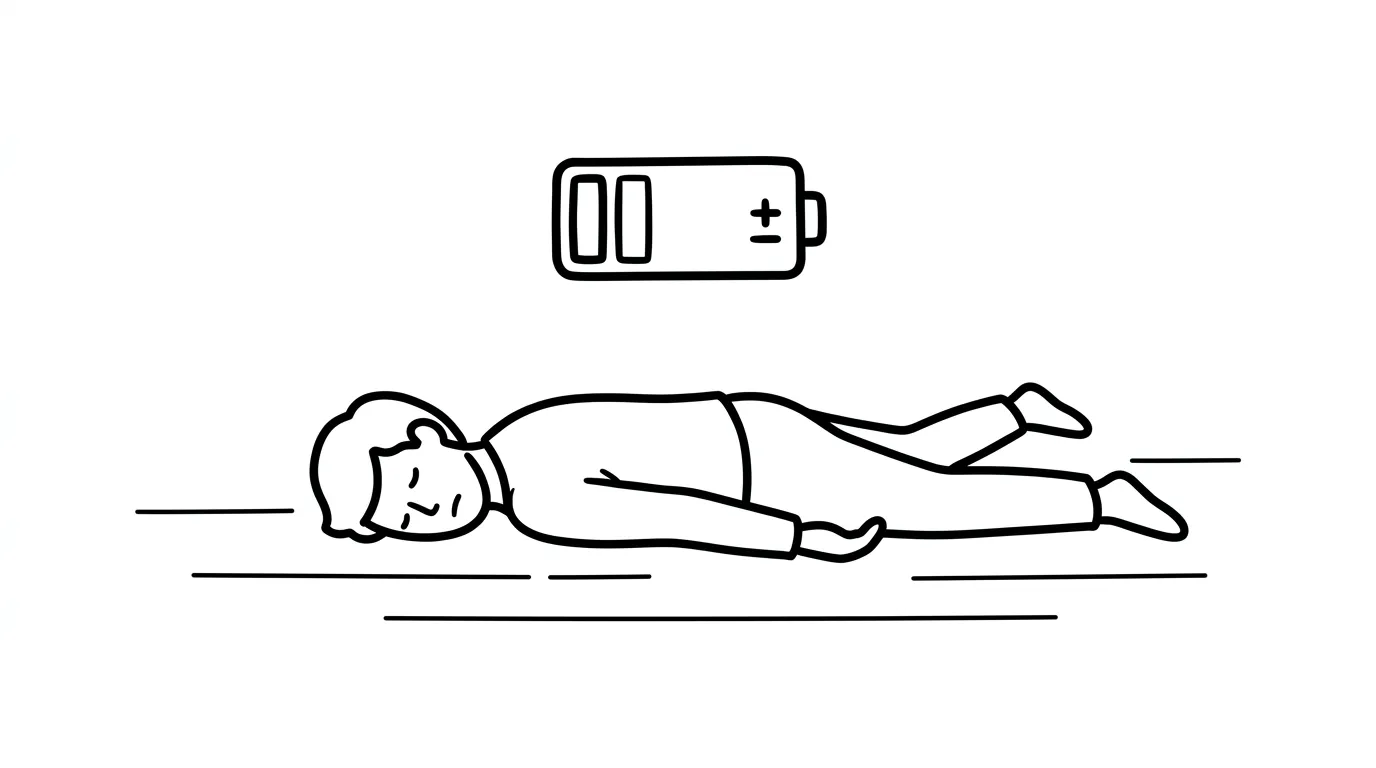
After a brief social gathering, do you feel completely drained, finding it difficult even to speak? This is not introversion; it is Autistic Shutdown. This article analyzes the neurobiological causes of sensory and social overload and outlines tools to recharge without guilt.
1. Why Normal Socializing Drains Your Energy
After just 30 minutes in a crowded restaurant or boardroom, your head tightens, your heart rate increases, and background chatter turns into painful noise. You force smiles and nod, but your brain is screaming: “Get me out of here!”
Once home, you lock the door and collapse. This extreme exhaustion is known as Autistic Burnout / Autistic Shutdown.
This is not a character flaw. It is a protective measure deployed by your nervous system to prevent sensory collapse:
For highly sensitive and autistic adults, processing social nuances, facial expressions, and ambient noise requires massive cognitive energy. Lacking a natural filter, every social interaction demands active mental translation. Once sensory inputs exceed safety thresholds, neurotransmitters are depleted, forcing the body into shutdown to recover.
Without healthy boundary boundaries, this chronic exhaustion can trigger Rejection Sensitive Dysphoria (RSD). Fearing that we will appear rude or fail socially, we retreat into isolation, leading to pathologic withdrawal.
2. Building a Frictionless Social Firewall
Hustle culture and meritocracy treat endless networking as the gold standard of social success. In their narrative, declining an invite means you are not proactive. But for neurodivergent individuals undergoing Cognitive Behavioral Therapy (CBT) or trying to manage their daily energy budgets, pushing through sensory overload ruins executive function.
To protect your attention, try these three gentle strategies to exit social spaces early:
Step 1: Establish a Sensory Safe Zone
When overload signals appear, step away immediately. Toggle your workspace to Zen Mode, or remove yourself physically (even a two-minute bathroom break helps). Muting the sensory flood gives your prefrontal cortex a brief moment to stabilize.
Step 2: Reframe Perfectionist Expectations
Many sensitive individuals stress over saying no, thinking: “They will think I don’t care.” Open your Cognitive Reframer (Reframer) and flip those self-blaming thoughts: “Saying no to this dinner ensures I will have enough executive battery for tomorrow’s meeting. Protecting my energy is responsible.”
Step 3: Use a Dedicated Copy-Paste Card
When social battery hits zero, you do not have the energy to draft messages. Save a card in your Board containing polite, pre-written templates. For example: “I am low on energy today and need to head home to recharge. Let’s catch up next time.” Copy and paste as needed, keeping your communication friction at zero.
3. Survival Baseline: Solitude is Active Recovery
Do not treat quiet recovery as a form of avoidance. For neurodivergent brains, quiet isolation is the lab where we rebuild executive control and quiet our sensory systems.
Quick Q&A
Why do social gatherings leave me physically exhausted?
This is Autistic Shutdown. Autistic and highly sensitive brains lack sensory gates, requiring conscious energy to process environmental noise and social dynamics, leading to rapid neurochemical depletion.
How can I decline social invites without feeling guilty?
Use the Cognitive Reframer to remind yourself that preserving your executive battery is necessary. Store rejection templates on a Board card to automate communication and bypass verbal anxiety.
References & Citations
- Barkley, R. A. (2012). Executive Functions: What They Are, How They Work, and Why They Evolved. Guilford Press. PubMed Reference - Analyzes the impact of high-stress social masking on executive energy reserves.
- American Psychiatric Association. (2013). Diagnostic and Statistical Manual of Mental Disorders (5th ed.). DSM-5 Standards - Documents sensory sensitivity and shutdown behaviors under social stress.
Recommended Reading
Social Battery Dead in 10 Minutes? The Gentle Art of Setting Boundaries and Saying No for ASD Adults
Feeling completely drained or unable to speak after socializing? Learn why ASD masking burns your energy and how to say no painlessly.
Struggling with Unwritten Social Rules? Painless Workplace Communication Guide for ASD Adults
Struggling to decode coworkers double meanings or spending hours drafting basic status updates? Reclaim your energy with structured templates.
Disconnected from Your Body? Designing a Low-Friction Physical Maintenance OS for ASD
Struggling to feel hunger, thirst, or fatigue due to hyposensitive interoception. Set up simple external feedback loops and safe food systems to preserve basic physical health.