 ADHD OS
Shopping for Quick Dopamine Hits? How to Curb ADHD Impulsive Buying Without Self-Deprivation
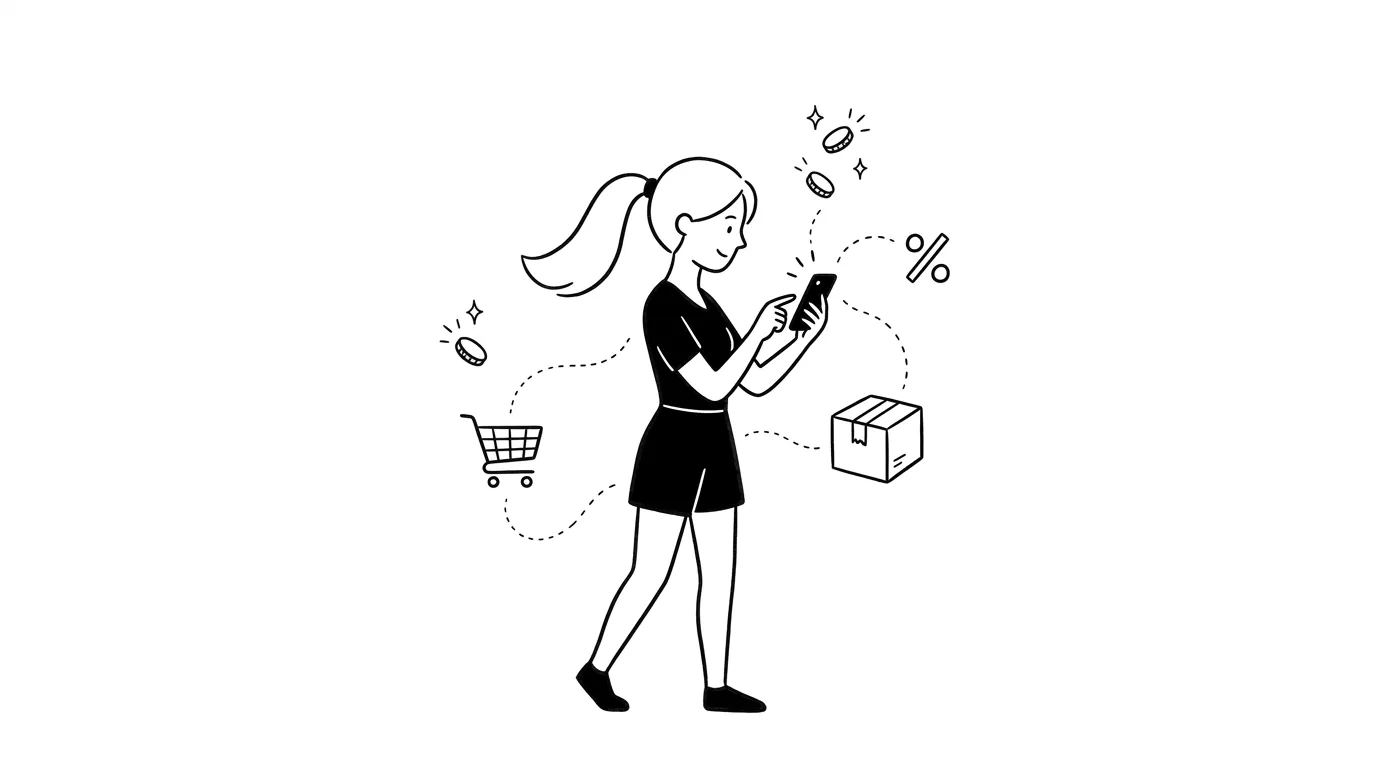
Do you find yourself opening shopping apps and placing orders impulsively whenever you are bored, stuck at work, or feeling hollow? You feel a rush when the package arrives, only to throw it in a corner days later. This is impulsive buying. It is not greed; it is your brain begging for dopamine. Here is how to align your dopamine to brake the loop.
It is 1 AM. You are stuck trying to write a report, feeling intensely bored and resistant. Or perhaps you are simply lying in bed, scrolling on your phone. Suddenly, a short-form video or an ad for a new gadget catches your eye. Your eyes light up. You click the link, and add the item—which you didn’t even know existed five minutes ago—to your shopping cart. The moment you hit checkout, you feel a wave of satisfaction and anticipation. But three days later when the package arrives, you leave it unopened by the door, regretful of the charge on your card.
Most personal finance guides and productivity gurus tell you: Practice restraint. Have stronger willpower.
In neurobiology, forcing a low-battery ADHD brain to use raw willpower against shopping impulses is a recipe for a rebound spending spree.
The Neurobiology of Impulsive Buying: Dopamine, Wanting, and Liking
Why is online shopping such a powerful magnet for ADHD brains? It comes down to the mechanics of the mesolimbic dopamine pathway.
In a resting state, the ADHD brain suffers from low baseline dopamine levels, leaving us in a chronic state of “motivational hunger.” Online shopping acts as a perfect dopamine vending machine because its flow aligns with the dopamine cycle:
- Dopamine is the Molecule of Anticipation, Not Possession: This is one of the most critical discoveries in brain science. Dopamine peaks during the search, the addition to the cart, and the anticipation of shipping. The brain releases dopamine to predict a potential reward.
- Instant Gratification Compensations: When bored or under executive strain, negative emotions occupy our working memory. To escape, the limbic system bypasses the prefrontal cortex, driving us toward rapid-fire dopamine rewards.
- The Post-Checkout Crash: The moment you click buy, the reward prediction ends, and dopamine levels drop. This explains why you lose interest in a package before opening it—your brain wanted the thrill of the anticipation, not the physical object.
You do not suffer from greed; you are simply recharging a starving brain with anticipation during a long night.
Dopamine Alignment: Redirection Hacks for Impulsive Spending
Instead of suppressing the desire, we can align with it, directing the impulse into low-friction, low-cost channels.
1. Build a 48-Hour Cart “Freezer”
Do not fight the urge to browse and select. Browsing releases dopamine safely. The only rule is: no checkouts for 48 hours. Open the Brain Dump panel in ADHDOS. Write down the names and links of the items you desire. This is known as cognitive suspension. Writing them down signals to your brain: These are saved; you can let them go from active memory. Your anxiety about forgetting the item disappears. Once the 48-hour cooling period ends, re-evaluate. You will actively discard 90% of the items.
2. Energy Menu: Free Alternatives
Impulsive spending peaks when you feel bored or stuck at work. When the urge to buy peaks, open your Energy Menu and pick a free, sensory-stimulating task:
- Physical Activation: Splash cold water on your face or do 10 jumping jacks.
- Sensory Release: Tear up an old cardboard box in the garage.
- Acoustic Shifting: Put on noise-canceling headphones and blast a high-energy track for 3 minutes. Use these free somatic inputs to satisfy your brain’s immediate sensory hunger, breaking the checkout loop.
3. Embrace “Good-Enoughism” Budgeting
Don’t expect to become a perfect minimalist budgeter overnight. Allocate a small, guilt-free monthly budget (e.g., $15) for useless but interesting gadgets. Embrace “good-enoughism,” using controlled spending to keep your prefrontal cortex satisfied during work blocks.
Quick Q&A
Why do I lose interest in my purchases before even opening the package?
Because dopamine drives wanting, not liking. While the item is shipping, anticipation keeps dopamine high. Once it arrives, the prediction loop closes, dopamine drops, and the item becomes uninteresting. Knowing this, you can browse, place items in the freezer, and get the dopamine rush without spending a dime.
How do I fight shopping algorithms that target my weaknesses?
Do not rely on willpower. Build physical friction. Uninstall shopping apps during work hours, or use Zen Mode to block distracting domains. Forcing yourself to type long passwords or find links on a desktop dampens the impulsive urge.
What if I still want the item after 48 hours in the freezer?
Then buy it. If you still want the item after the dopamine wave recedes, it reflects a stable need rather than a quick fix for boredom. You have successfully filtered out 90% of your impulse regrets. Enjoy it guilt-free.
Recommended Reading
Running Too Many Threads in Your Brain? Resolving ADHD Multitasking Paralysis
Brain spinning in multi-threaded overload while your body sits frozen doing nothing? Learn how to clear your prefrontal memory to break the freeze.
Overwhelmed by a Tiny Setback? Emotional Dysregulation and Landing Techniques for HSP & ADHD
Does a minor frustration throw you into a catastrophic spiral? Understand neuro-divergent emotional dysregulation and learn somatic and cognitive landing tips.
Out of Sight, Out of Mind? Tackling ADHD Object Permanence Issues in Home Organizing
Once a cabinet closes, does its content vanish from your brain? Understand ADHD object permanence and build a visual, low-friction environment.