 ADHD OS
Overwhelmed by a Tiny Setback? Emotional Dysregulation and Landing Techniques for HSP & ADHD
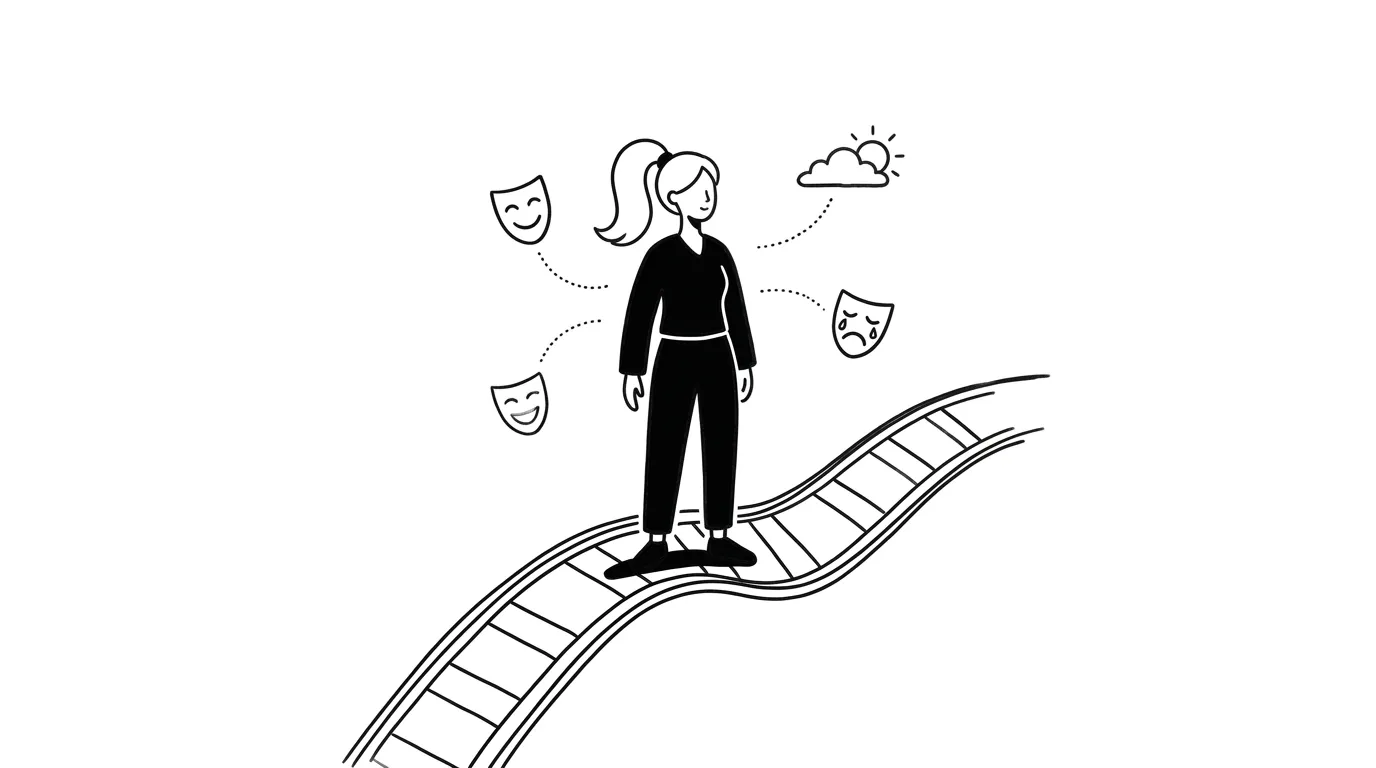
Have you ever stepped outside, realized it was raining without an umbrella, and felt instantly crushed by a wave of despair—wanting to cry and cancel all your plans? For HSP & ADHD, we face emotional dysregulation. What others call “making a big deal” is a real Category 5 hurricane in our nervous system. Here is how to land safely during a storm.
You are heading out the door, and suddenly your shoelace snaps. In an instant, a wave of rage, helplessness, and absolute despair washes over you. Your rational mind whispers, It’s just a shoelace. Get another one. But every electrical signal in your nervous system is screaming. You sit on the floor, tears streaming down your face, trapped in a catastrophic spiral: I can’t even tie my shoes. I am useless. Today is ruined. You end up canceling all your appointments, pulling down the shades, and lying in the dark for four hours.
To outsiders, this looks dramatic, sensitive, or immature. But in reality, your nervous system just weathered a genuine emotional hurricane.
The Neurobiology of Emotional Dysregulation: Unfiltered Sensory Storms
In neuroscience, emotional dysregulation is recognized as a core physiological feature of both ADHD and HSP (Highly Sensitive Person) brains.
A neurotypical brain possesses a robust “top-down inhibition” mechanism: when minor life frustrations occur, the prefrontal cortex (the rational core) sends inhibitory signals to the limbic system (specifically the amygdala, the emotional detector) to filter and cool down the response.
In the ADHD/HSP brain, this communication channel is disrupted:
- Impaired Inhibitory Gates: Our brains lack the neural gates needed to filter sensory and emotional noise. When a minor frustration happens, the neural signals hit the amygdala at 100% volume without dampening, instantly triggering a “fight-or-flight” panic state.
- Dopamine Crash and Catastrophizing: Small setbacks trigger a sharp drop in our already low baseline dopamine. To explain the physical panic in the body (racing heart, shallow breathing), the prefrontal cortex invents a catastrophic story: I ruined everything, I am a failure.
You are not weak-willed; your nervous system is exposed to the elements without an umbrella.
Somatic and Cognitive Landing: Physical Cooling in the Storm
When a storm hits, your rational brain is offline. Rationalizing at this stage is counterproductive and increases guilt. You must intervene from somatic and cognitive channels to enable cognitive unloading and rhythm tracking.
1. Somatic Port: Stimulate the Vagus Nerve with the Breath Orb
During a wave, your body displays physical应激 responses: rapid heart rate, chest tightness, cold hands. Immediately shut out visual and auditory inputs. Open the Breath Orb in ADHDOS. Close your eyes and breathe in sync with the visual, rhythmic expansion of the orb for 1 to 2 minutes. Inhale deeply, expansion-wise, and double the length of your exhales. Rhythmic breathing stimulates the vagus nerve, sending safety signals to the amygdala and lowering your body’s alarm state physically.
2. Cognitive Port: Decouple Feelings from Facts with the Reframer
Once your physical panic subsides, your logical brain restarts. Open the Cognitive Reframer in ADHDOS to separate your emotional reactions from facts:
- Panic Brain: “My shoelace broke. This proves I cannot manage my life. Today is completely ruined.”
- Reframed Reality: “A physical cord snapped due to friction. It means I need 3 minutes to swap it. It does not reflect my worth, and the next 10 hours are still mine.”
- Panic Brain: “My manager replied ‘OK’ without an emoji. They must be disappointed and planning to fire me.”
- Reframed Reality: “The manager might be replying on a phone while busy. Other people’s moods are their own business and do not dictate my professional value.”
Implement a “Low-Battery Protocol”
Do not expect to return to high productivity immediately after a wave recedes.
The adrenaline spike during an emotional storm drains the glucose reserves of the prefrontal cortex, leaving you with brain fog and exhaustion. This is a normal metabolic rebound.
- Allow Idling: Activate your low-battery protocol. Turn off non-essential notifications and allow yourself to idle (e.g., take a warm bath, lie down, drink a large glass of water).
- Good-Enough Output: If work is mandatory, allow yourself to write a 50-point draft. Let “coping hacks” guide you through the energy valley.
Quick Q&A
Why do I feel physically cold and intensely hungry after an emotional wave?
Because emotional storms are systemic stress responses. The physical exertion of rapid heart rates drains your glucose reserves. Once the storm ends and the parasympathetic system kicks in, your body screams for carbohydrates to replenish your prefrontal cortex's fuel. Accept the craving without guilt and eat something warm.
How do I explain my sudden crashes over small issues to my partner?
Explain it as a physical allergy via the Double Empathy model: 'When plans change suddenly, my body experiences an overload of cortisol, triggering a physical panic response similar to asthma or an allergy. It is a biological alarm. I just need 15 minutes of quiet and the Breath Orb to let the physical alarm clear. Please do not lecture me on logic during this window.'
How do I prevent these emotional blackouts from happening?
Focus on somatic rhythm tracking. Emotional vulnerability spikes exponentially when your body is dehydrated, exhausted, or facing hormonal lows (such as pre-menstruation). Track these patterns. When your battery is low, proactively decline intense social demands and lower your goals.
Recommended Reading
Afraid to Say No at Work? Overcoming HSP People-Pleasing and Workplace Exhaustion
Over-analyzing everyone at work and unable to say no? Discover how highly sensitive people (HSP) can set boundaries and reclaim energy.
Running Too Many Threads in Your Brain? Resolving ADHD Multitasking Paralysis
Brain spinning in multi-threaded overload while your body sits frozen doing nothing? Learn how to clear your prefrontal memory to break the freeze.
Shopping for Quick Dopamine Hits? How to Curb ADHD Impulsive Buying Without Self-Deprivation
Late-night online shopping leaving you with items you do not need and bills you regret? Understand ADHD impulsivity and align your dopamine.