 ADHD OS
Screen Time Detox Failed Again? Why Forced Digital Blockers Backfire for ADHD Brains
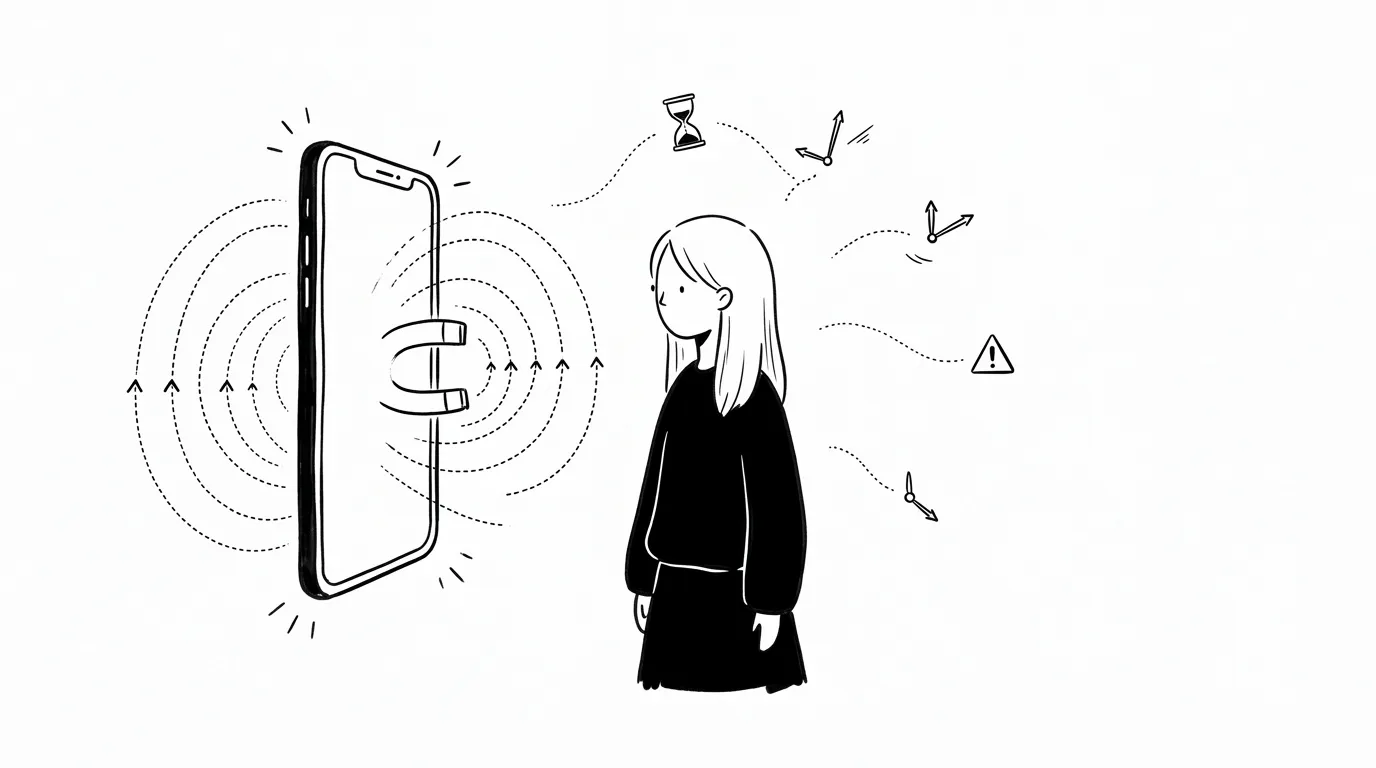
Have you tried locking your phone in a physical safe, running strong block apps, or unplugging the Wi-Fi, only to binge-scroll out of control the moment the lock ends? Rigid digital blockades cut off the vital dopamine stimuli your brain needs to function, leading to neurological “compensatory hunger.” We need elastic focus, not hard barriers.
An ADHD brain is an engine that requires constant dopamine stimulus just to maintain basic cognitive functions.
Standard productivity gurus advocate for “digital detox” and complete blockades. This might work for neurotypical minds with stable baseline dopamine.
But for ADHDers, a phone isn’t just a toy—it is a ventilator that keeps our brain awake during dull tasks.
When you lock it away completely, you starve your brain of stimulation.
Your executive battery runs out, brain fog rises, and you fall into an anxious, restless state of fidgeting. The moment the lock software opens, your starving brain binging on phone screens like someone eating at a buffet after a three-day fast.
This self-punishing detox is highly counterproductive.
We must learn to practice embracing distractions safely and build elastic focus instead of waging war against our biology.
Setting Up an Elastic Focus System
The rule of elastic focus is: don’t block the exits; instead, lower the ambient noise and provide safe outlet valves.
1. Lower Visual Noise: Turn on “Zen Mode”
Often, what distracts us isn’t the phone itself, but notifications, badges, and complex layouts. Open Zen Mode inside ADHDOS. It hides all visual elements except your active task. Removing secondary stimuli saves prefrontal bandwidth that would otherwise be spent on “resisting the urge to click.”
2. Legalized Micro-Distractions: Use Focus Clock
Throw away rigid 25-minute countdown timers that force you to sit frozen. Use Focus Clock in ADHDOS to run “flow-based” timers. More importantly, give yourself permission to drift: keep a physical spin-top or a fidget squishy on your desk. When your brain jams on a sentence, fidget with it or drink water. These legal outlet valves release neural pressure, preventing you from resorting to your phone out of sheer mental fatigue.
Ditching screen time overload doesn’t require a physical locker or a willpower duel. Align with your distractible nature, build in an elastic valve, and let your brain breathe.
Quick Q&A
If I don't block my phone, I will just pick it up. How do I stop?
The urge to grab your phone means your current task has too high a barrier and too low dopamine. Instead of fighting the phone, break the task down or add background music. Keeping the phone physically out of sight (e.g., in a bag) introduces frictionless delays, which works better than app blockers.
Doesn't 'embracing distractions' ruin my productivity completely?
No. Constant, rigid focus is impossible for an ADHD brain; trying to force it just leads to daydreaming. Embracing distractions means setting safe pitstops (like sketching for 2 minutes) to release extra motor potentials, preventing your brain from complete shutdown.
Recommended Reading
Time Blindness Messing Up Your Day? Visualizing Time for Chronically Late ADHD Brains
Cannot perceive how hours slip away? Or stuck in a painful "waiting mode" freeze before appointments? Discover hacks to tame ADHD time blindness.
Running Too Many Threads in Your Brain? Resolving ADHD Multitasking Paralysis
Brain spinning in multi-threaded overload while your body sits frozen doing nothing? Learn how to clear your prefrontal memory to break the freeze.
Struggling to Switch Tasks? How to Bridge ADHD Transition Deficits Smoothly
Stuck in your previous activity and unable to move to the next? Understand ADHD transition deficits and how to switch gears without friction.