 ADHD OS
The Autistic Sensory Shield: How to Navigate Overwhelming Environments Safely
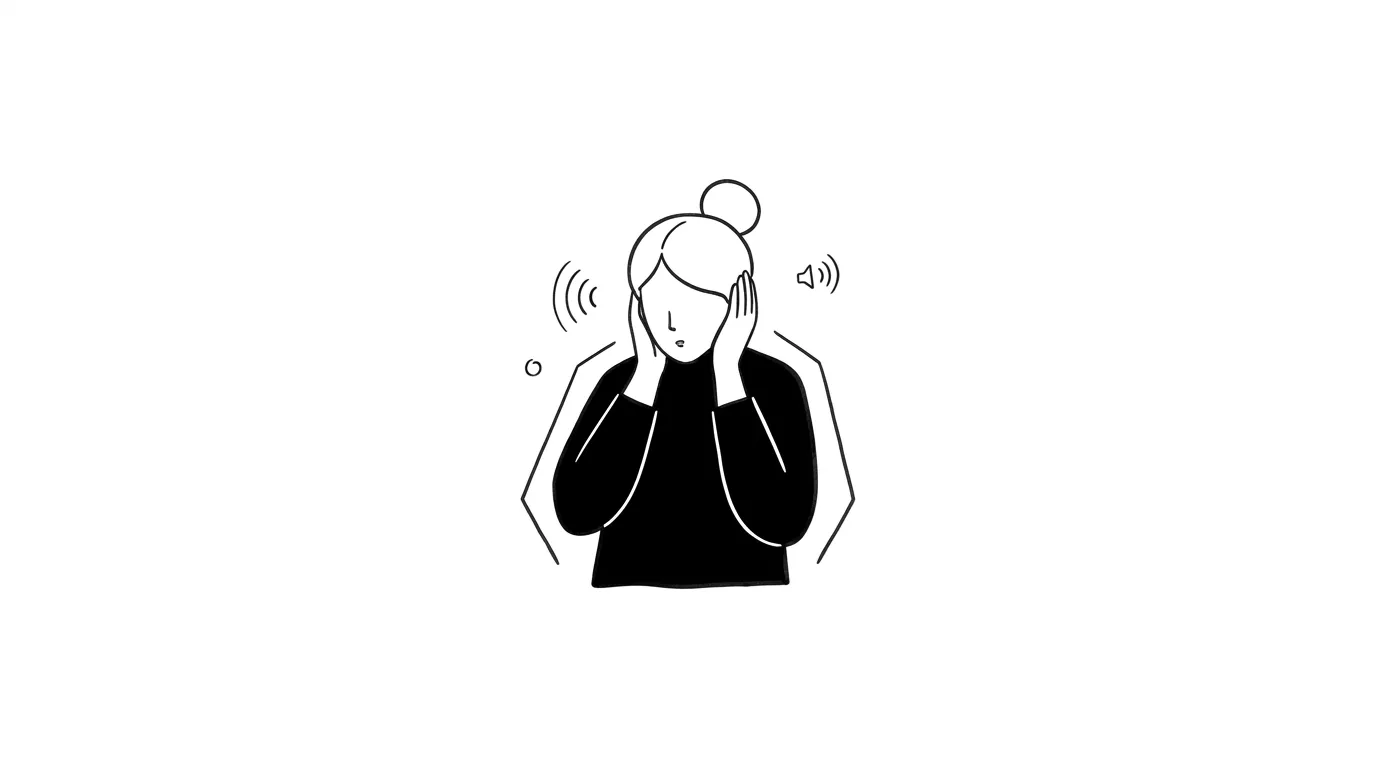
Do you feel like a trip to the supermarket, mall, or riding the subway drains as much energy as running a half-marathon? The background music, the beep of cash registers, the harsh fluorescent lights, the brush of passing crowds… everything bombards your brain. This is not because you are “fragile.” It is because autistic brains naturally lack a sensory filter. This guide will help you configure a physical “sensory shield” to protect your energy baseline in a noisy world.
For a neurotypical brain, buying groceries is a mindless, automated routine.
Their brains have an efficient sensory gating mechanism—automatically categorizing the hum of the AC, distant chatter, and bright lights as “useless background noise” and filtering them out.
But in an autistic brain, this filter is absent.
The AC hum, the cash register beeps, the flickering fluorescent lights, the smell of perfumes, and even the friction of a passerby’s clothes enter your consciousness at the exact same volume and intensity.
Spending an hour in such an environment forces your prefrontal cortex to run at 200% capacity to process the incoming data.
When this stimulation peaks, the nervous system crashes, leading directly to a meltdown or shutdown. We must build a physical shield.
1. Building Your Portable Sensory Armor
Since your brain cannot filter stimuli in software, you must set up hardware (physical) firewalls:
🎧 Auditory Shields: Earplugs and Headphones
Do not wait until you are overwhelmed to put them on. Equip them before entering high-stimulus spaces:
- Subtle Earplugs (like Loop Earplugs): These reduce overall decibels (by 15–26 dB) while keeping speech intelligible. Excellent for dinners, supermarkets, or offices, protecting your nervous system without isolating you socially.
- Active Noise Cancelling Headphones (ANC): For subways, trains, or noisy streets, ANC headphones act as your primary physical defense.
🕶️ Visual Shields: Tints and Caps
Autistic individuals are highly sensitive to harsh fluorescent lights and rapid visual movement:
- Indoor Tinted/FL-41 Glasses: Lenses with pink, yellow, or light grey tints filter out fluorescent flicker and harsh blue light, reducing visual processing load.
- Brimmed Hats: Wearing a baseball cap or bucket hat physically blocks overhead lights and creates a secure visual sanctuary.
2. Low-Friction Public Space Navigation Protocols
When shopping or running errands, plan strategically to reduce cognitive wear and tear:
🗺️ Strategy 1: Off-Peak Travel OS
Avoid peak hours. Visit supermarkets right after they open (8–9 AM) or shortly before closing. Many major stores now offer “Quiet Hours”—periods with dimmed lights and no background music, designed for sensory comfort.
🗺️ Strategy 2: Pre-Plan with a Single-Thread Checklist
Do not wait until you arrive to decide what to buy. Under sensory barrage, your decision-making capacity drops sharply.
- Before leaving, use the ADHDOS Brain Dump to map out your exact shopping list.
- Plot your physical route (e.g., Produce → Meat → Checkout), put on your noise-cancelling headphones, and move through the store like a robot executing a script.
3. Creating Your Sensory Exit Agreement
Before heading into any unfamiliar gathering or high-stimulus environment, always establish a “safe exit agreement.”
Make a clear promise to yourself (and your companions):
“If I feel overwhelmed, I don’t need to push through. I can leave early or sit quietly in the bathroom or car for 15 minutes.”
Bathrooms are often the only sensory refuges in intense environments. Slipping away, closing your eyes, and breathing deeply for 5 minutes is an incredibly effective neurological reset.
Your sensitivity is real, and your right to protect it is absolute.
Quick Q&A
Won't wearing noise-cancelling headphones in public make me look rude or unapproachable?
Compared to pushing through until your face stiffens, you become irritable, or you collapse afterward, wearing earplugs is a responsible choice. You can opt for stylish, near-invisible models. If asked, you can gently explain: 'My ears are sensitive to background hums. These filter out the AC noise so I can hear you clearly.' Most people understand and respect this.
I am on the verge of sensory overload right now but cannot go home immediately. How do I rescue myself?
Activate a 'micro-shield' immediately: 1. Find a dark or quiet corner (like a bathroom stall or stairwell) and close your eyes. 2. Put on headphones or block your ears. 3. Extend your exhales or rock slightly. 4. Splash cold water on your hands or face; the cold sensation stimulates the vagus nerve, rapidly lowering your nervous system's alarm level.
Recommended Reading
When the Brain Power Cuts Out: A Guide to Autistic Meltdown and Shutdown Recovery
Decoding the stress responses of autistic meltdowns and shutdowns. Learn the neurological triggers and implement low-friction SOS protocols for self-rescue and support.
Struggling with Unwritten Social Rules? Painless Workplace Communication Guide for ASD Adults
Struggling to decode coworkers double meanings or spending hours drafting basic status updates? Reclaim your energy with structured templates.
Disconnected from Your Body? Designing a Low-Friction Physical Maintenance OS for ASD
Struggling to feel hunger, thirst, or fatigue due to hyposensitive interoception. Set up simple external feedback loops and safe food systems to preserve basic physical health.