 ADHD OS
Stuck Between Novelty and Stability: Breaking the AuDHD Career Burnout Cycle
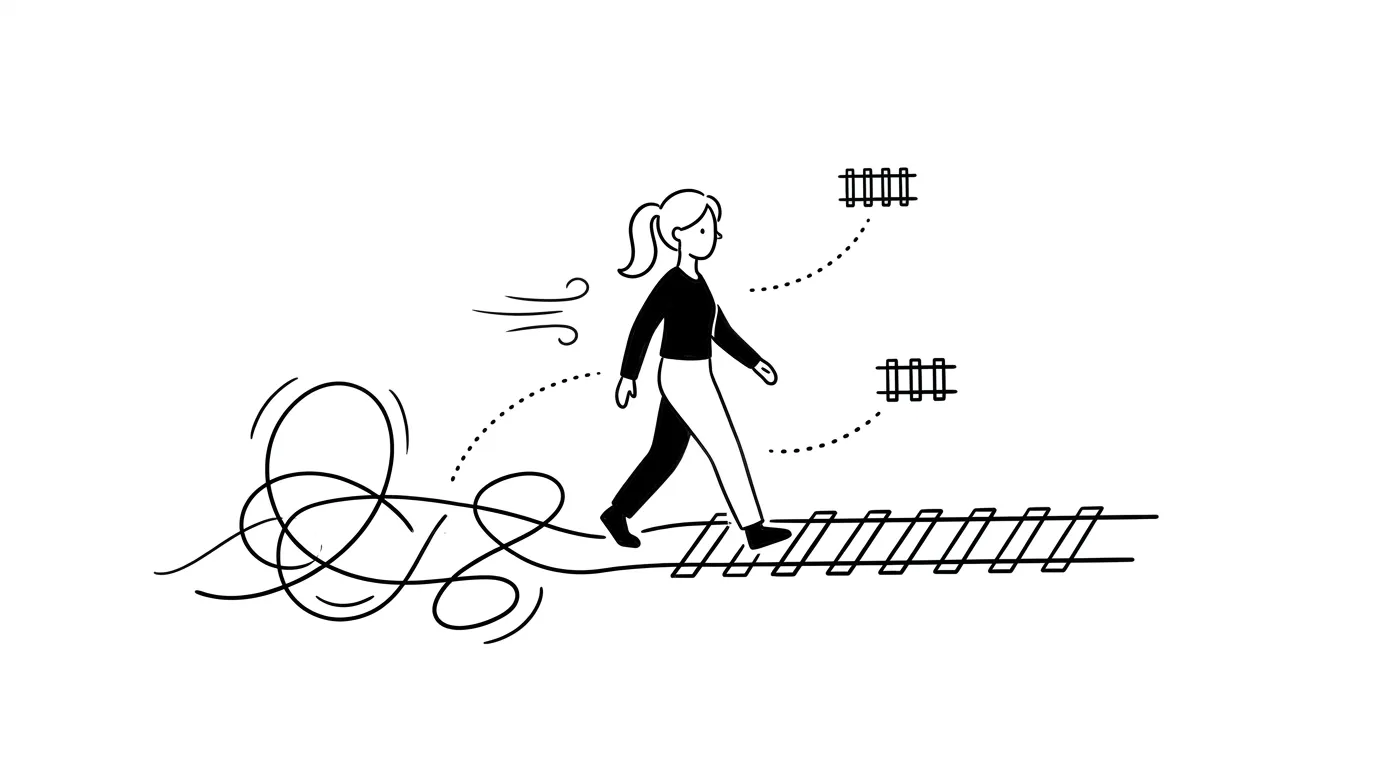
Do you experience this career loop: in the first six months of a new job, your hyperfocus lets you learn incredibly fast, making you a star employee. Yet, a year in, when the processes are ironed out and only mundane routines remain, your ADHD side feels suffocated and desperate to quit. However, your Autistic side (ASD) detests change and paralyzes you at the thought of interviews, new colleagues, and new routines. You are locked between suffocating boredom and terror of change. This guide provides a “multi-thread” career survival OS.
“You performed so well when you first started, why has your state dropped recently?”
When hearing this seemingly caring question from a manager, an AuDHD (double traits) employee might feel a deep quiet despair.
You cannot explain to them that you haven’t lost your dedication; your brain has simply run out of power.
When starting out, the new environment and unfamiliar tasks constantly fed your ADHD side with the dopamine it craves for challenge and novelty. You operated on hyperfocus, working at many times the average efficiency.
But once you master the loops and the job declines into a repetitive routine, dopamine levels crash. Waking up each morning to face the punch card causes physical fatigue and mental burnout.
You want to quit, but your ASD side suddenly jumps out.
It is terrified of losing your current, stable routine. The thought of rewriting a resume, facing strangers in interviews, adjusting to a new commute, and adapting to social dynamics triggers a full sensory alarm, freezing you in place with severe anxiety.
This “conflict between hating routine and fearing change” pushes AuDHD employees toward severe career burnout.
1. The AuDHD Career Path: “Explore-Deepen” Cycles
To survive, we must accept our atypical cognitive mechanics. While neurotypicals can spend decades in a single role driven by sheer responsibility, the AuDHD career trajectory is typically spiral and non-linear.
We must build a career defense system that satisfies both sides:
🛠️ Defense Strategy 1: Launch a Low-Risk “Dopamine Sideline”
If your main job has entered a dull “ASD routine maintenance phase,” do not force it to provide dopamine.
- Isolate Main Job and Sideline: Treat your main job as your “safe cash flow and routine anchor” (satisfying the ASD need for security);
- Redirect your chase for dopamine to low-risk, creative sidelines outside work hours (e.g., launching a blog, coding an indie script, learning an obscure hobby). Sidelines can change frequently to satisfy ADHD curiosity, reducing the urge to sabotage your day job.
🛠️ Defense Strategy 2: Request Internal Rotations or New Projects
Before choosing to quit, seek dopamine within your current company:
- Ask to join cross-departmental projects or lead new product builds from 0 to 1.
- Once the project matures into a routine, ask to transition back to maintenance or seek another new challenge. Use internal “hot and cold cycles” to self-regulate.
2. Low-Friction Career Transitions: ASD Gradual Warm-up
If you must change jobs, never quit impulsively due to an ADHD whim.
A sudden gap and an unmapped future will shatter the ASD safety net, triggering a meltdown or shutdown.
Instead, employ a “gradual warm-up protocol”:
- Stage 1 (Passive Browsing): Do not edit your resume yet. Spend 10 minutes a evening browsing job listings without applying. Let your ASD brain adapt to the reality of other options, lowering defensive anxiety.
- Stage 2 (Micro-Editing): Edit only one paragraph of your resume at a time (e.g., just rewrite your first work experience block tonight).
- Stage 3 (On-the-Job Interviewing): Secure an offer (locking in a new, definite routine) before handing in your resignation.
Use tiny, continuous shifts rather than sharp, dramatic leaps.
Quick Q&A
I am in deep burnout right now, crying before work and unable to function. How do I rescue myself?
If your body is producing somatic warning signs (headaches, nausea, stomach pain), you have crossed the safety line. Request 1-2 weeks of paid leave or unpaid time off immediately. Disconnect from work communication. During this window, do not think about career plans. Do only two things: absolute sensory deprivation (sleep and quiet) and safe foods. You cannot think clearly until your nervous system alarm stops.
How do I ask my boss for new challenges without sounding impatient or easily bored?
Avoid words like 'bored' or 'impatient.' Translate your request into commercial value: 'I feel our current processes are running smoothly and efficiently. To explore new avenues for the team, I would like to dedicate 20% of my focus to building X, which could open new growth channels.' Use professional, profit-oriented language to package your brain's need for dopamine.
Recommended Reading
Hobbies Everywhere, Mind Overloaded: Managing AuDHD Material Clutter and Sensory Noise
Reconciling the ADHD urge to collect new hobbies with the Autistic need for visual minimalism. Set up low-friction physical barriers to isolate sensory noise.
The AuDHD Planning-Action Paradox: How to Break the Loop of Perfect Plans and Zero Action
When the need for ASD structure meets ADHD task paralysis. Break the cycle of over-planning and build a low-friction "warm-up" launch protocol for everyday tasks.
The Dopamine-Routine Tension: Designing a Flexible Modular Lifestyle for AuDHD
How to satisfy the Autistic need for predictability while keeping the ADHD brain stimulated. Create a "modular toy-box" routine to protect sleep and diet.