 ADHD OS
The Dopamine-Routine Tension: Designing a Flexible Modular Lifestyle for AuDHD
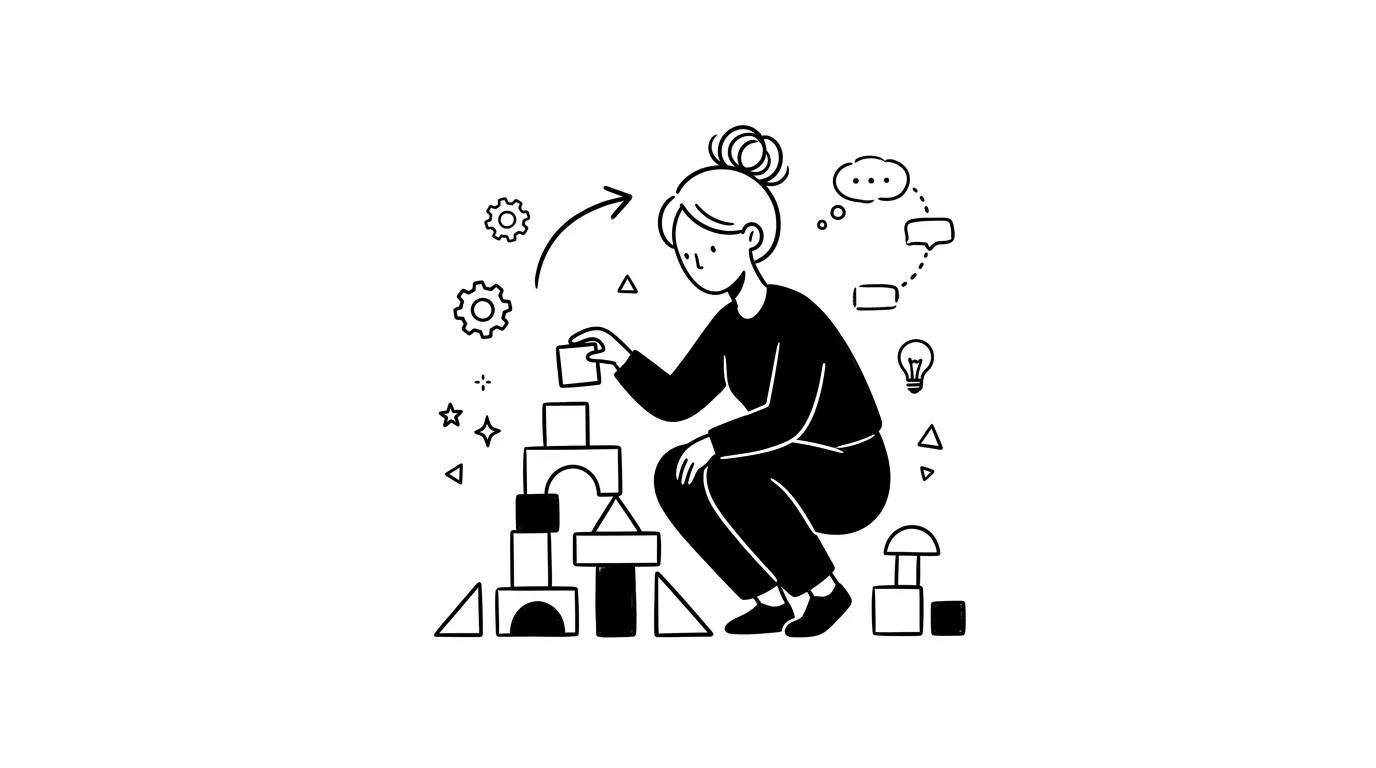
Have you ever bought a strict 24-hour daily planner, determined to wake at 7 AM, eat at 12 PM, and sleep at 11 PM? For the AuDHD brain, such schedules rarely survive three days. Autistic traits (ASD) instinctually crave high predictability and structure to calm sensitive nerves. Meanwhile, ADHD traits reject this exact stability as suffocating, forcing you to break it (e.g., staying up late, disordered eating). This guide details how to build a flexible “modular toy-box” routine that offers safety without starving your brain of dopamine.
For neurodivergent individuals, especially those with AuDHD, maintaining a daily rhythm feels like an endless tug-of-war between ice and fire.
- The ASD Side (Ice): Craves predictability. If a routine is disrupted, or if life lacks structure, you feel extreme anxiety, sensory instability, and mental drain.
- The ADHD Side (Fire): Craves novelty. The moment it perceives a task as an “obligatory routine,” it treats it as an attack on its autonomy, resisting with procrastination and avoidance.
This leaves you in a painful bind: when you try to live a structured life, your ADHD feels imprisoned; when you seek spontaneous thrills, your ASD self-destructs from anxiety and loss of control.
Rigid, time-based agendas do not work here. We need a Flexible Modular Routine.
1. The Core Shift: From “Timelines” to “Building Blocks”
Rigid schedules fail because they dictate “what you must do at a specific hour” (e.g., 8:00 AM Breakfast, 8:30 AM Writing). If you wake up 10 minutes late, the first domino falls, and the rest of the day collapses under a wave of self-blame.
A modular routine instead divides the day into “state blocks”—leaving specific times loose but grouping actions into stable modular stacks:
- Morning Kickstart Block (3 Blocks): 【Drink water】+【Brush teeth】+【Stretch for 5 minutes】.
- Evening Wind-Down Block (3 Blocks): 【Dim home lights】+【Put phone away】+【Lie under weighted blanket】.
Whether you wake up at 7 AM or 10 AM, as long as you execute those 3 morning blocks in sequence, your ASD side gets the predictable safety it needs. Meanwhile, your ADHD side doesn’t feel the crushing defeat of “missing the 8 AM deadline.”
2. Injecting Dopamine into Monotonous Routines
To prevent the ADHD side from growing bored with these modular blocks, we must color them with micro-novelty:
🎨 Strategy 1: Sensory Diversity
Introduce subtle variations into repetitive tasks:
- Brushing Teeth: Keep 2-3 different toothpaste flavors (e.g., lemon, charcoal, classic mint) or different textured towels. Choose a flavor “mystery box” based on your morning mood.
- Workplace Environment: Switch background white noise daily or work from different corners of your room. Same routine, different sensory inputs.
🎨 Strategy 2: Stimulation Pairing
Bind dull, necessary blocks directly to high-dopamine habits:
- Only allow yourself to listen to your favorite sci-fi podcast while washing dishes/cleaning.
- Play high-energy, motivating music only when stretching/exercising.
3. Quelling Midnight “Revenge Bedtime Procrastination”
Much of AuDHD insomnia is not physical wakefulness. It is the ADHD side protesting that it did not receive enough “happy stimulation” during the day, demanding a late-night dopamine harvest.
To put this late-night restlessness to rest, use a physical wind-down protocol:
- Light Deprivation: At 10:30 PM, turn off bright overhead lights, leaving only warm orange accent lights. Low warm light signals safety to the ASD side while triggering natural melatonin.
- Familiar Auditory Escapes: If your brain races when you close your eyes, put on headphones and play a science documentary or audiobook you have already heard dozens of times. Because the plot is “known and predictable,” the ASD side feels safe. Simultaneously, having sound playing satisfies the ADHD side’s minimal stimulation threshold, preventing late-night mental loops.
Routines are not cages; they are your nervous system’s safety net. Treat your day like building blocks, allowing yourself to create a different shape every time.
Quick Q&A
What if my energy is at absolute zero and I cannot even stack a single morning block?
Initiate the 'emergency survival block'—containing just one micro-action, like taking a single sip of water or opening the window. Tell yourself: 'One sip means I preserved my baseline today.' Neurodivergent energy fluctuates. Allowing yourself a minimal backup mode is smart battery management, not failure.
What if my job has rigid hours (e.g., daily 9 AM meetings)? Can I still use modular routines?
Yes. Treat the rigid meeting as a solid anchor point. Build your modular blocks around it. While the 9 AM meeting is immovable, whether you stretch or make coffee before it (your morning blocks) is completely up to your daily dopamine levels. Use structure for the outside world; use flexibility for your inner peace.
Recommended Reading
Stuck Between Novelty and Stability: Breaking the AuDHD Career Burnout Cycle
Why AuDHDers shine early in their careers then hit a wall. Design a "multi-thread sideline" to feed ADHD curiosity while maintaining Autistic career security.
Hobbies Everywhere, Mind Overloaded: Managing AuDHD Material Clutter and Sensory Noise
Reconciling the ADHD urge to collect new hobbies with the Autistic need for visual minimalism. Set up low-friction physical barriers to isolate sensory noise.
The AuDHD Planning-Action Paradox: How to Break the Loop of Perfect Plans and Zero Action
When the need for ASD structure meets ADHD task paralysis. Break the cycle of over-planning and build a low-friction "warm-up" launch protocol for everyday tasks.